Life on Mars
Instagram is starting to look like it did the first time I got high on acid.
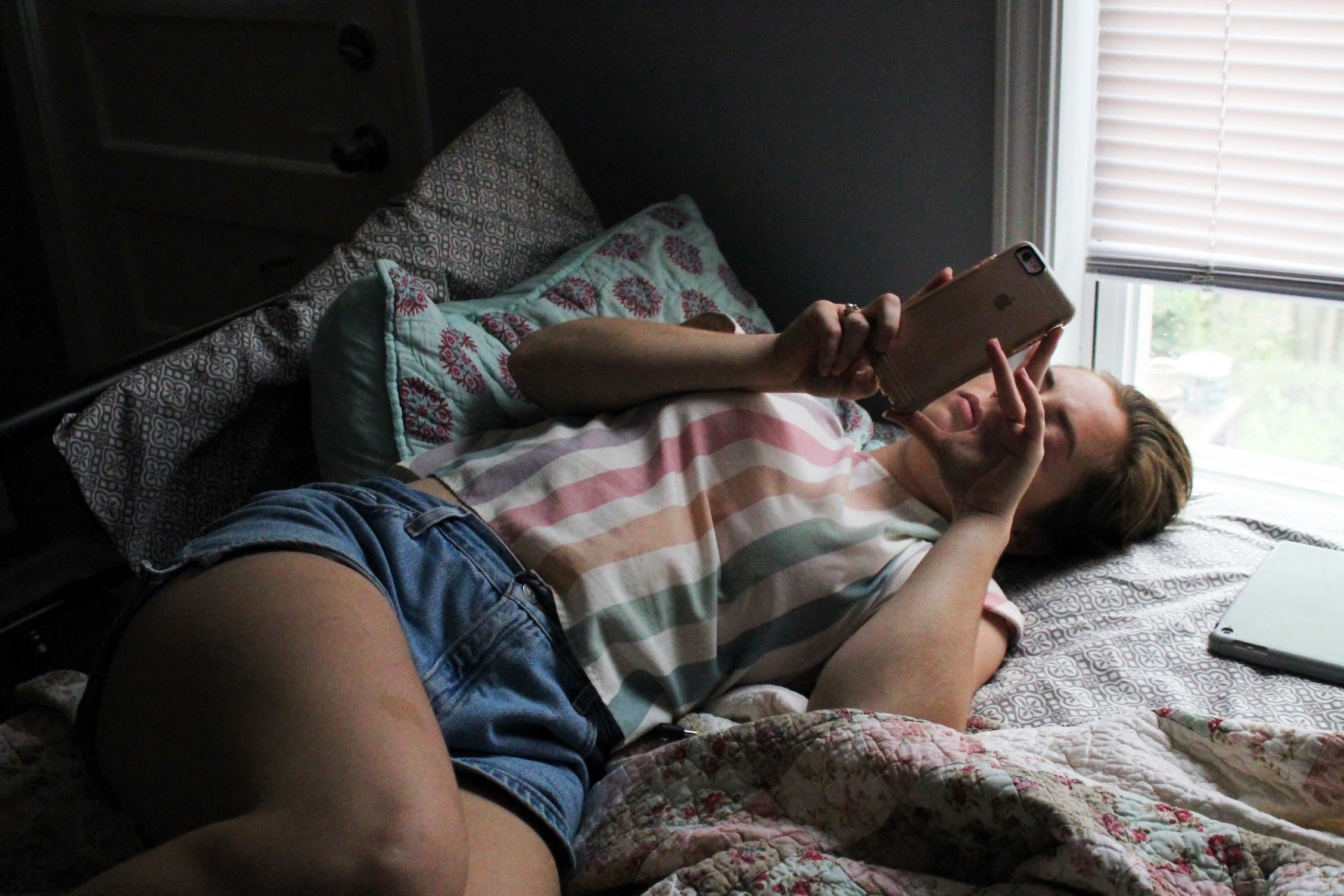
I remember picking up my phone and, all at once, it became foreign—an object separate from me, no longer an extension of my hand. I opened the app and found the familiar, never-ending scroll, but the spell was broken. Every image looked like any other. Selfies read as a kind of urgent reaching (my own included)— strange, almost embarrassing in their hunger. For what, exactly? Validation, most likely. The allure of it all was kaput.
Meanwhile, everything within my physical reach demanded my attention with an intensity I had not felt since childhood. Birds in the early hours of a sleepless morning sounded impossibly clear, resonant. Being with my friends—really being with them—felt sufficient in a way I did not know was missing. We laughed until our throats were sore. There was a vulnerability to that night, the kind that comes with trying something for the first time, but also something steadier underneath it: community.
I did not need my attention pulled anywhere else. I was fully there, in that apartment on 1006 W 20th Place in Chicago, a college junior in 2017, held in the immediacy of being alive.
Nearly ten years later, I write from a more sobering place.
My toddler is asleep upstairs. I am nearing the end of five weeks of solo parenting while my husband completes training away from home. This, by most measures, would be an easy time to fall back into old habits, allowing my phone soften the edges of loneliness. A siren call that let’s me disappear into the low-stakes distraction of other people’s lives.
But I am trying, with varying degrees of success, to resist that pull.
Life, at the moment, is not gentle. My daughter—new to the world—is doing exactly what she is meant to do: testing boundaries, discovering limits, moving rapidly between joy and frustration, asking for my attention again and again and again. There is no shortage of demand. And yet, I am beginning to understand there is no shortage of meaning in that demand.
I have too much in front of me to pretend there is something waiting for me elsewhere, in the scroll. It does not serve me to compare my days—their repetition, their intimacy, their difficulty—to the curated fragments of someone else’s life. My child deserves my presence. My life does too.
But arriving here has required a kind of undoing.
I have had to make peace with missing things: the references that pass me by, the quiet hum of pop culture I no longer fully hear, the daily updates of friends that, in their absence, make distance feel more pronounced.
Living abroad, as I do, this absence is not insignificant. The friends who once filled that apartment with laughter are now a six- to eight-hour flight away. Social media offers a version of proximity, a way to witness their lives in real time. There is something undeniably beautiful in that.
But I am learning to hold that beauty without letting it consume the whole of my attention.
I am choosing slowness and intention where I can. Finding ways to make my care tangible again, not just visible.
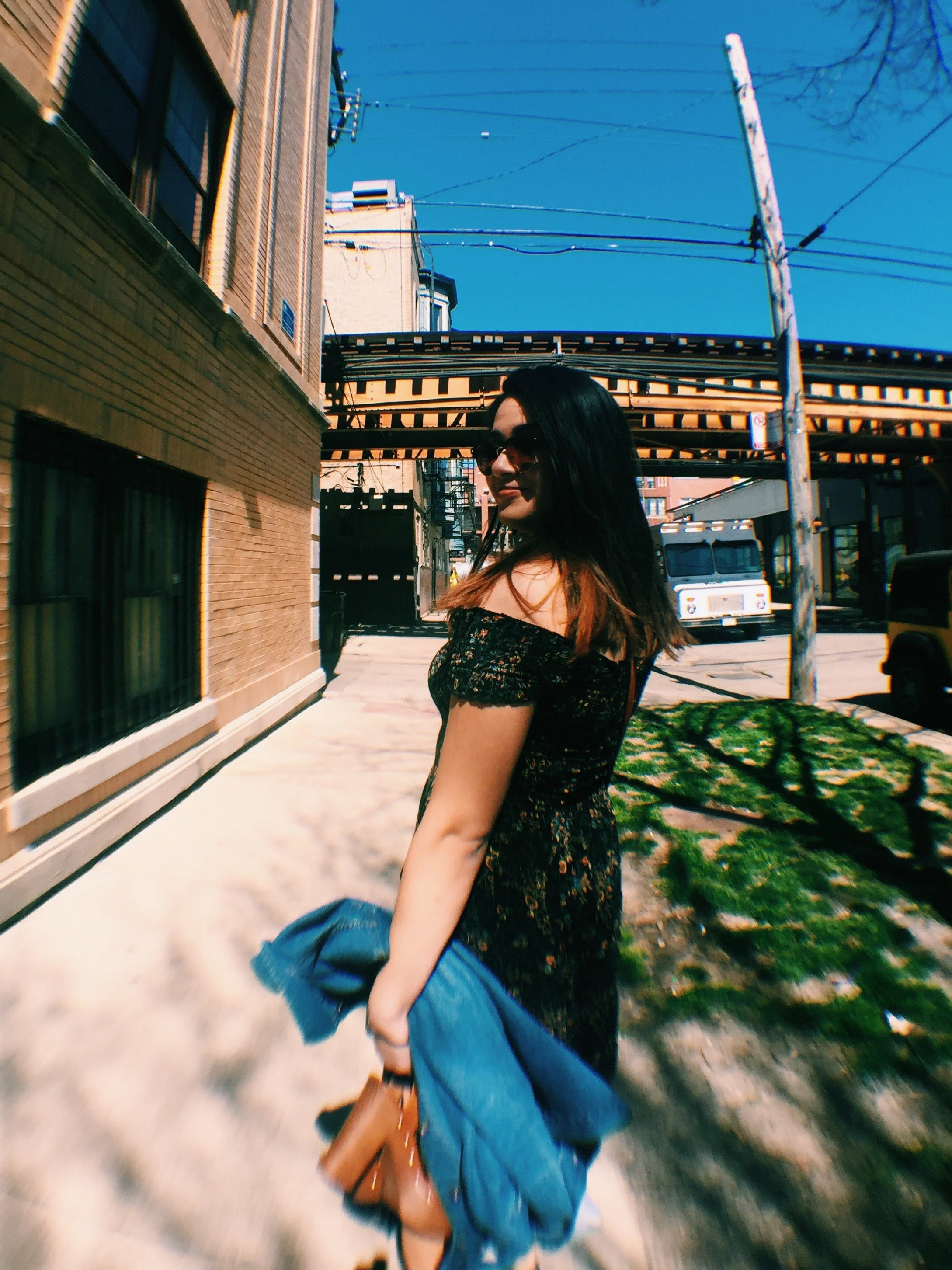
A photo of me at the height of my social media era, preserved here for context. RIP the fish-eye lens and the filters that once felt essential.
I do not think the answer is to reject the digital world entirely. It allows me to remain connected to people I love across oceans and time zones.
But I am beginning to question the terms of that connection.
What does it mean to be present in a life that is constantly asking you to look elsewhere?
What does it cost to give your attention away so freely?
What might be returned to you if you chose, instead, to keep it?
I have started to understand my habits not as personal failings, but as part of something larger.
Like many in my generation, I did not come to the internet—I grew up inside it. Platforms arrived alongside adolescence, shaping not just how I communicated, but how I saw myself. First MySpace, then Facebook, then Instagram. Each iteration became more refined and immersive than the last. By the time I was old enough to question it, the architecture was already internal.
As an adult, I sometimes struggle to simply be.
There is a reason Jonathan Haidt describes this cohort in The Anxious Generation as having “grown up on Mars”, that is, raised in an environment unlike any before it, mediated through a constant portal, slightly removed from the conditions that once shaped human development.
We learned early how to be seen. How to curate. How to anticipate reactions. Attention became both currency and mirror.
I carried that fluency into adulthood. I worked within it by managing accounts, building engagement strategies, shaping content designed to capture attention. I understood the system because I participated in it.
That is precisely why I am uneasy now.
Not because technology is inherently harmful, but because it is not neutral. These platforms are designed deliberately to maximize time, reaction, and return. Children are not outside of that system. They are its future.
When I think about my daughter, what concerns me is not that she will use technology. She will. What concerns me is how early and under what conditions.
Attention is not a passive resource. It is formative and integral for a child’s development. What repeatedly captures it begins to define expectation of self, of others, of the world.
And childhood, by its nature, is a period of openness, vulnerability, and rapid construction.
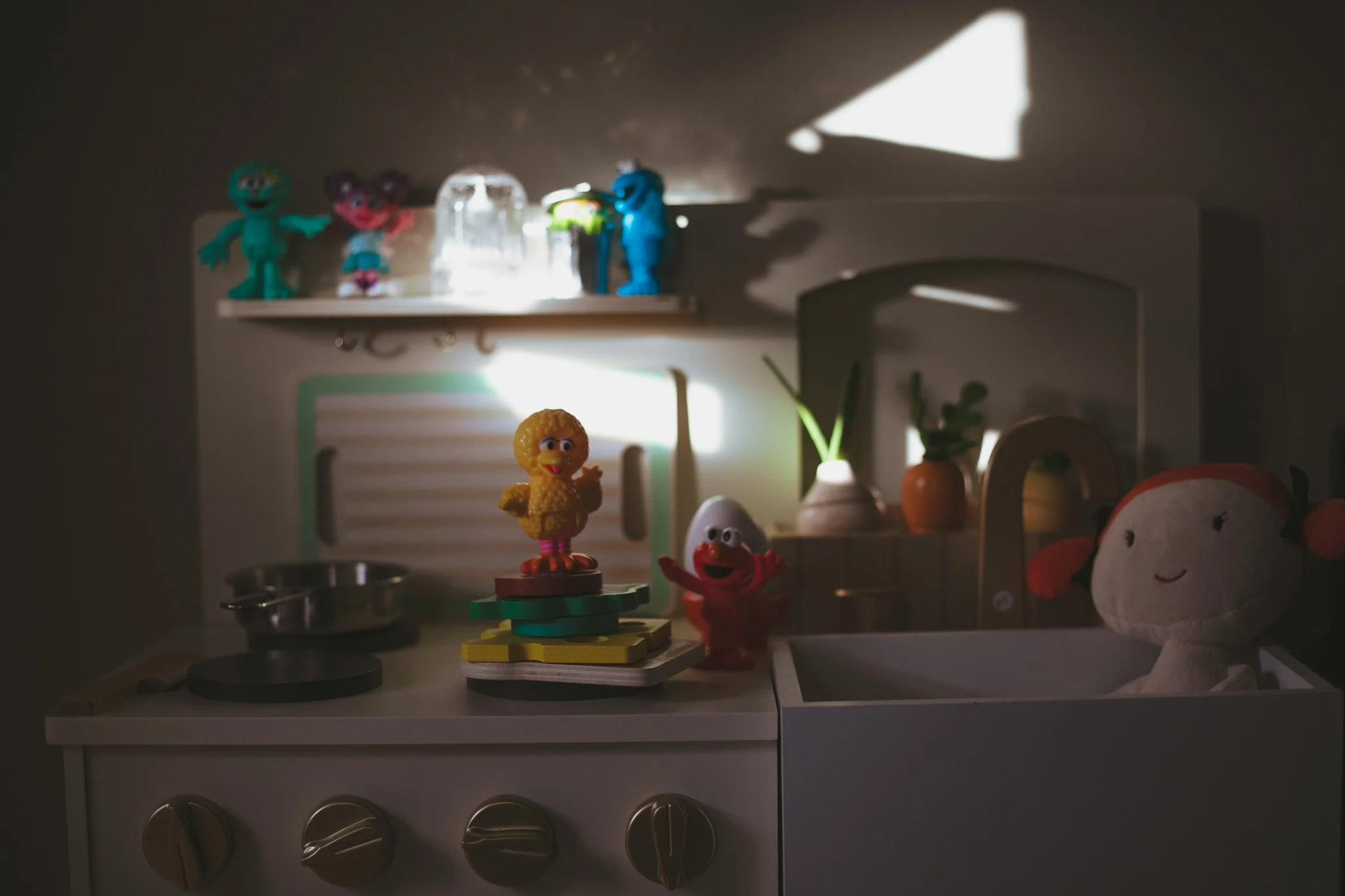
Choosing analog in contrast, such as writing by hand, calling a friend, creating something by hand, or reading the physical copy of a book, is not nostalgia. It is a way of introducing friction. Of protecting space. Of allowing something slower, less mediated, to take root.
Because I am no longer convinced that constant stimulation is benign. We are already seeing what happens when attention is fragmented early and often—when validation is externalized, when boredom is eliminated, when presence becomes optional.
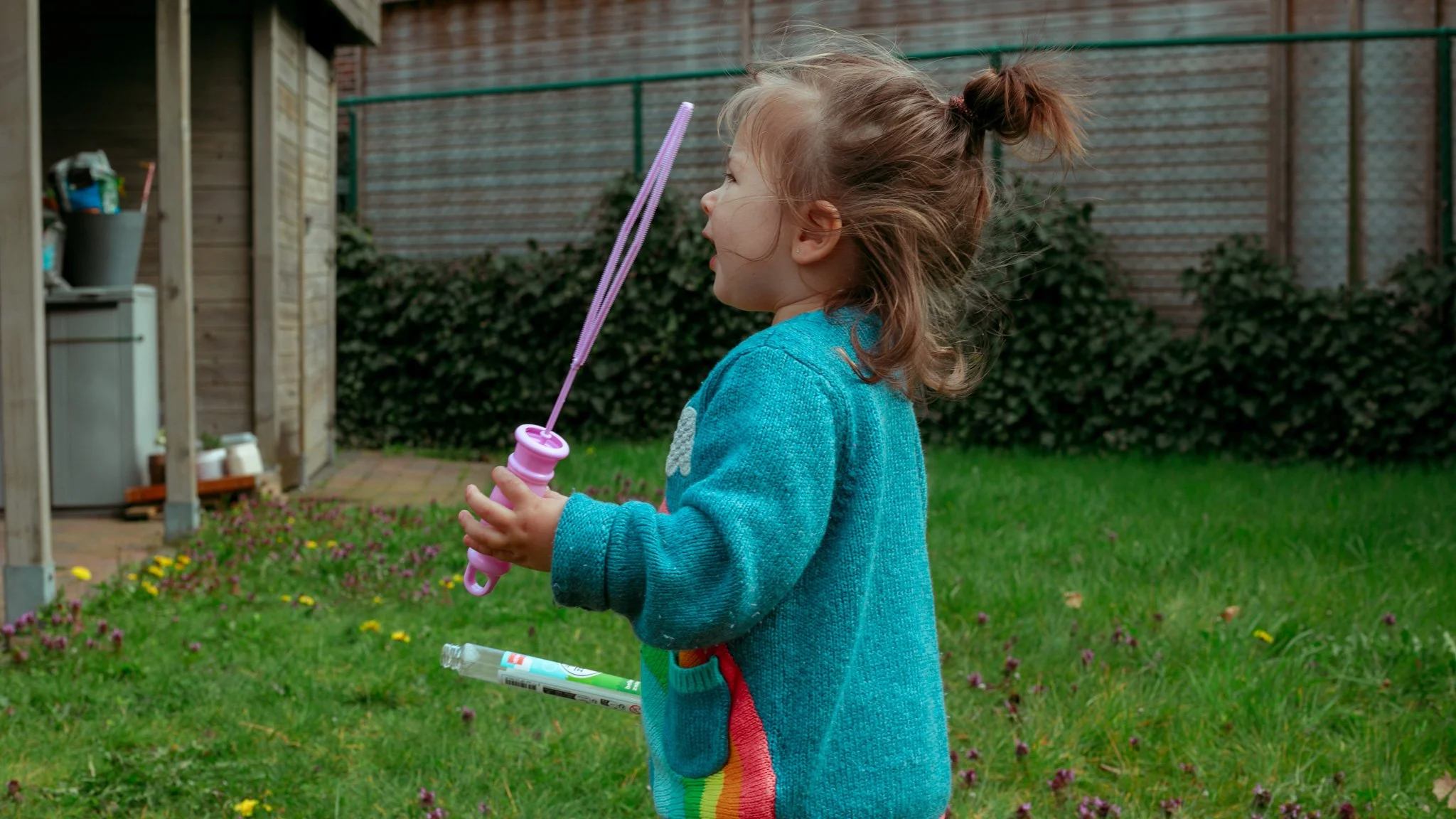
We cannot claim ignorance anymore, and we should not allow the megaliths to either.
The question is not whether technology will shape our children. It will.
The question is whether we are willing to place limits around something designed not to have them.
Because childhood does not need optimization.
It does not need to be captured, performed, or consumed.
It requires presence. Presence, more often than not, requires choosing to stay — here, on earth—when everything else is asking you to leave.
I am no longer willing to trade my attention for the illusion of elsewhere.